Acid Washing versus Concrete Grinding: Which Is Best for Preparing Your Floor for Epoxy?
If you’re considering applying an epoxy coating to your concrete floor, you’ve probably come across two popular preparation methods: acid washing and concrete grinding. But which one truly gives you the best base for a long-lasting epoxy finish?
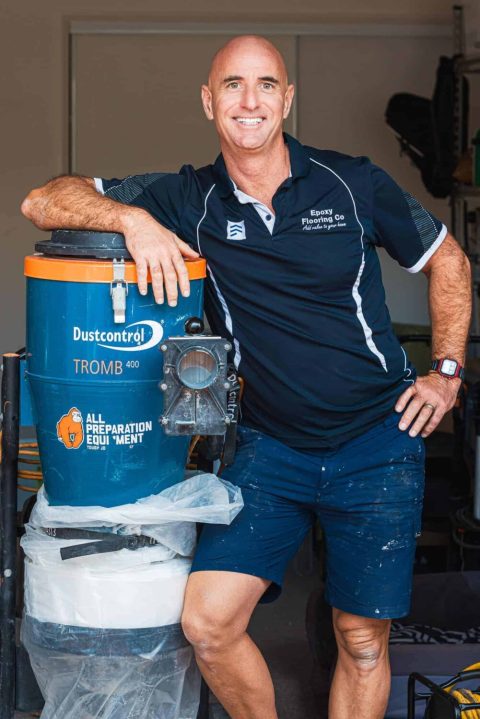
I’m Tim McGary from Epoxy Flooring Co., and today I want to share with you an in-depth comparison between these two techniques to help you decide the right approach for your project.
In this article, we’ll explore the differences between acid washing and grinding, what each method entails, their pros and cons, and why one might be more suitable than the other depending on your needs. Whether you’re a DIY enthusiast or a seasoned pro, understanding these preparation methods is crucial to ensuring your epoxy coating adheres properly and lasts for years to come.
Understanding the Basics: Why Surface Preparation Matters
Before applying an epoxy coating, preparing the concrete surface is key. The success and longevity of your epoxy floor heavily depend on how well the epoxy bonds to the substrate. There are two main types of bonds to consider:
- Mechanical bond: This occurs when the epoxy physically locks onto the roughened surface of the concrete, like a key fitting into a lock.
- Chemical bond: This happens when the epoxy chemically reacts with the concrete surface, creating a strong adhesive connection.
For the best results, combining both mechanical and chemical bonds is ideal. Achieving this dual bond ensures your epoxy never lifts and remains durable for the lifetime of the floor.
So, how do acid washing and grinding stack up when it comes to creating these bonds? Let’s dive in.
The Acid Washing Method
Acid washing, also known as acid etching, involves applying a diluted acid solution—usually hydrochloric acid mixed with water—to the concrete surface. This process removes dirt, grease, and some surface contaminants by chemically reacting with the concrete.
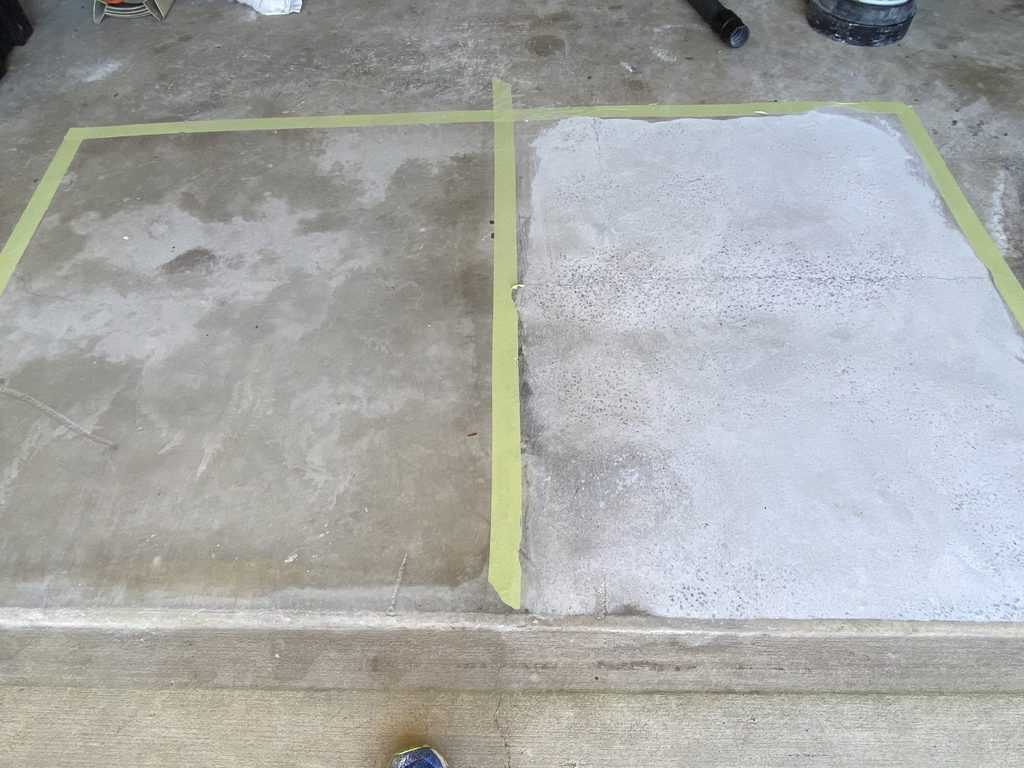
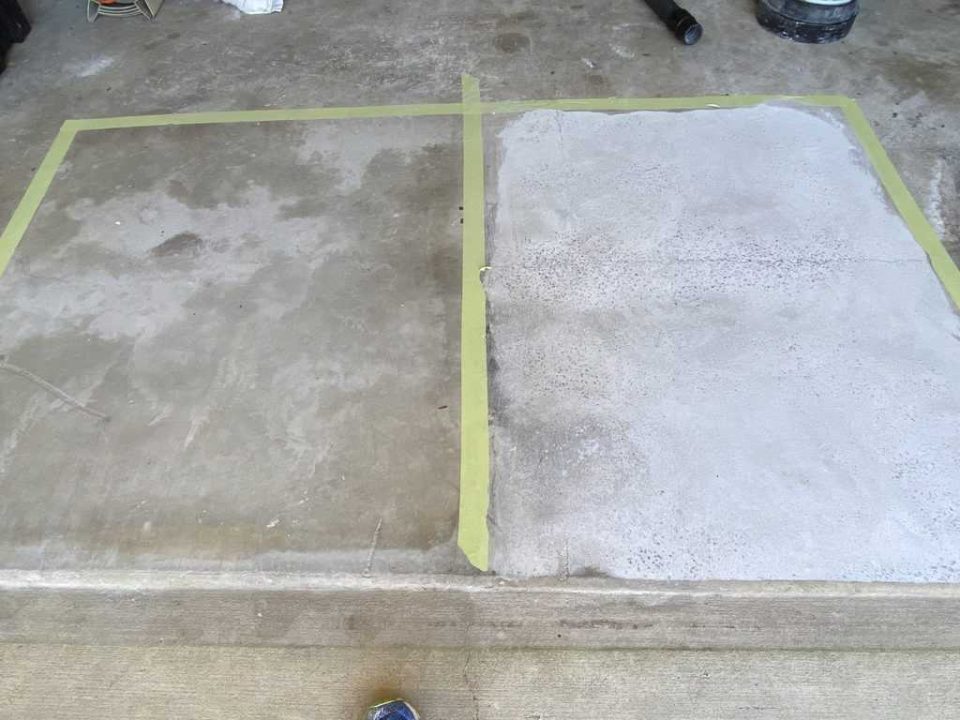
In my experiment, I used a mix ratio of about 4:1 (water to acid), which means roughly 80% water to 20% acid. I applied two coats of this solution to a section of concrete to see how it would prepare the surface for epoxy.
What the Acid Wash Achieves
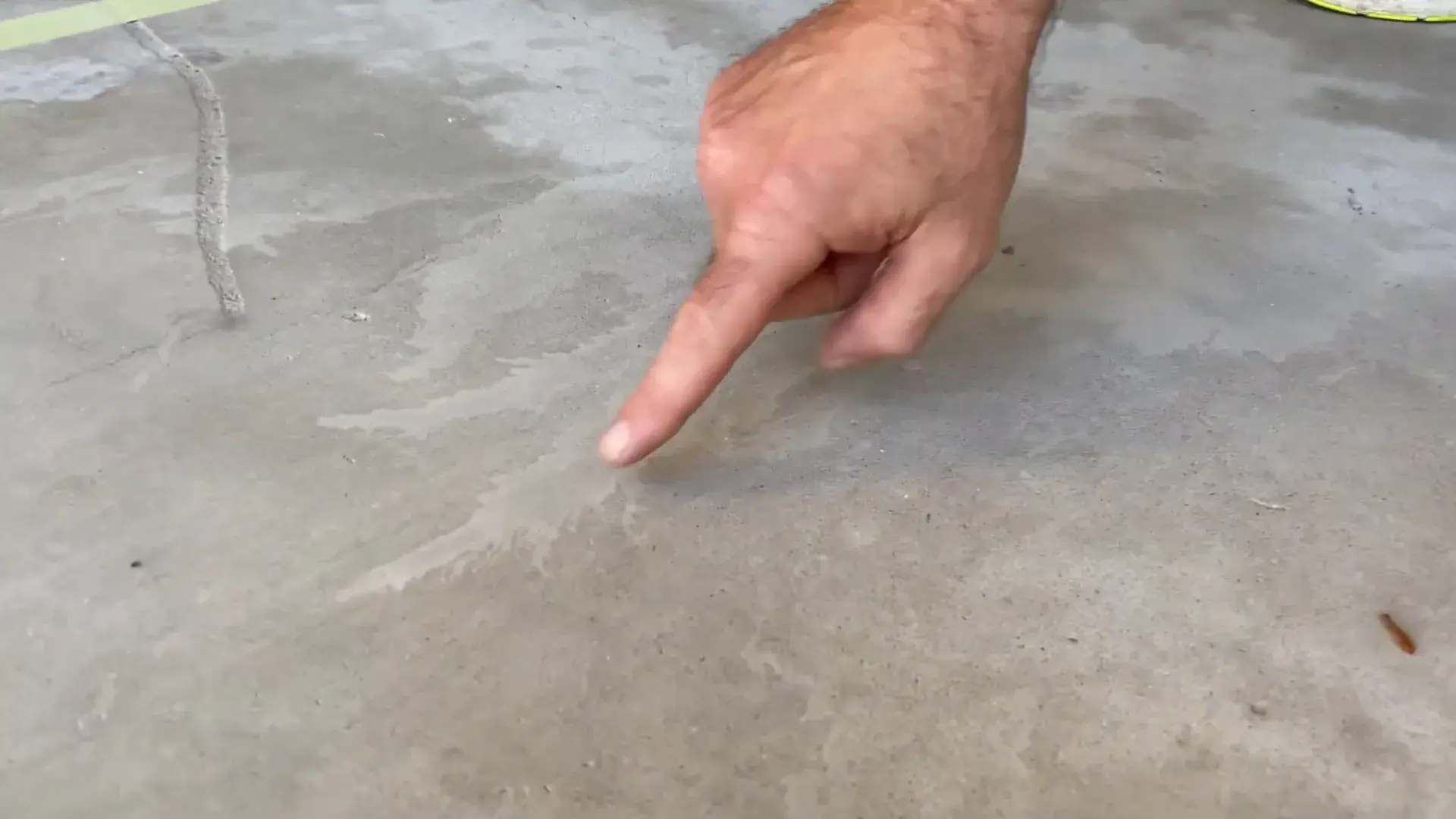
The acid wash does a decent job of cleaning the concrete. It removes a lot of the dirt and grime, making the floor appear cleaner and fresher. However, it doesn’t actually remove a physical layer of the concrete surface. Instead, it relies primarily on creating a chemical bond between the epoxy and the concrete.
While this might sound good in theory, there are some critical drawbacks to keep in mind:
- Hydrochloric Acid Residue: One of the biggest challenges with acid washing is the leftover acid residue. After applying the acid, you must rinse the floor multiple times—sometimes two or three washes with scrubbing in between—to fully remove the residue. If any remains, it can prevent the epoxy from adhering properly, leading to peeling or flaking months or years down the line.
- Time-Consuming Process: Because of the rinsing and drying time required, acid washing can take up to three days before you can safely apply your epoxy coating.
- Surface Marks and Unevenness: Acid washing can leave marks or stains on the surface, which might affect the final look and feel of your epoxy floor.
The Concrete Grinding Method
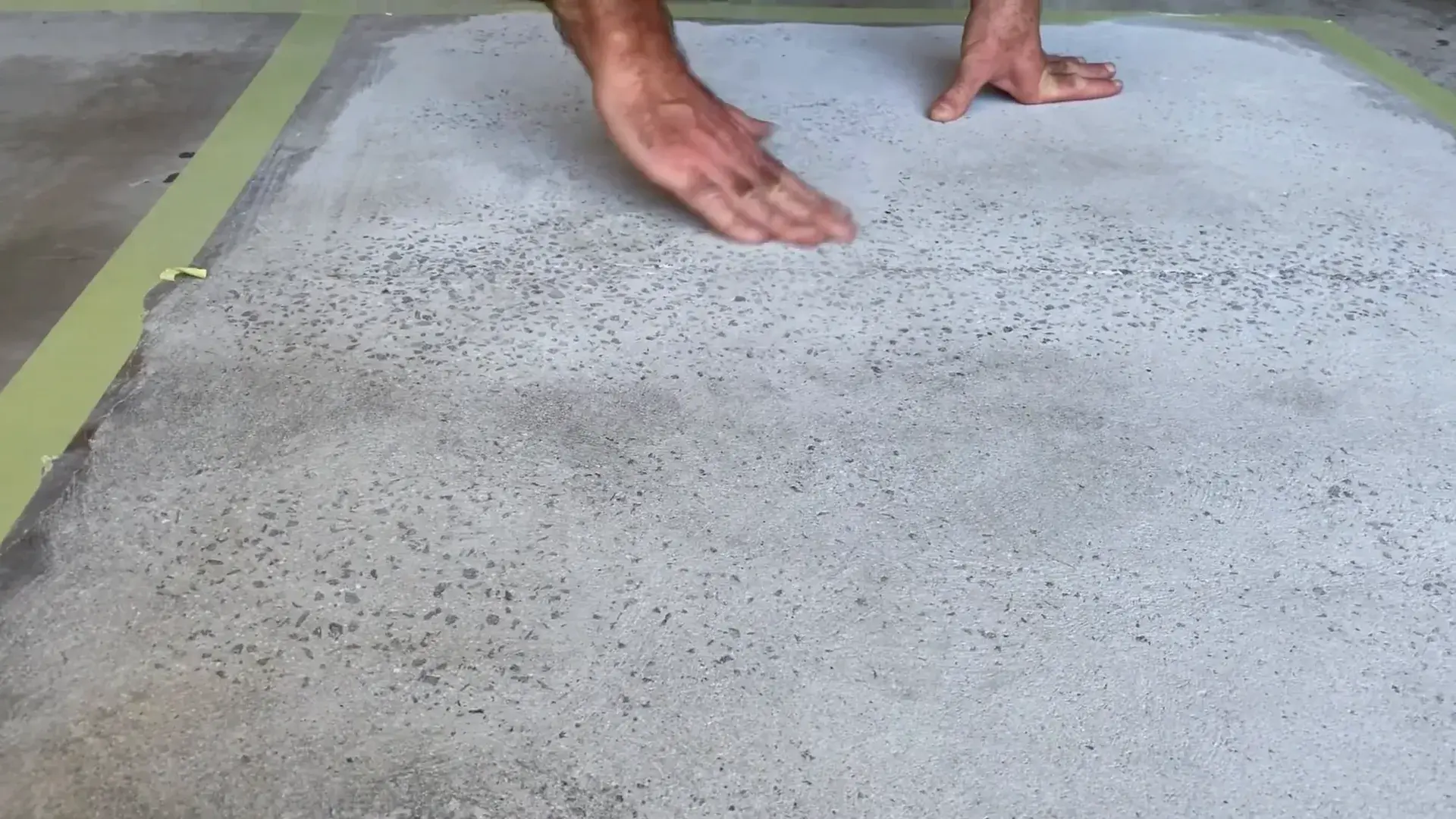
Concrete grinding involves using a mechanical grinder fitted with diamond abrasive pads to physically remove the top layer of the concrete surface. This method exposes fresh, clean concrete and creates a rough texture that the epoxy can mechanically bond to.
In the test, I ground a section of a heavily marked concrete floor, making just one pass with the grinder. The difference in finish was immediately noticeable.
Benefits of Grinding
- Superior Surface Preparation: Grinding removes stains, marks, and the top layer of the concrete, exposing fresh concrete for a much better mechanical bond.
- Speed and Efficiency: Unlike acid washing, grinding can be completed quickly. In my test, a single pass gave a clean, smooth surface ready for epoxy the same day.
- Reduced Risk of Adhesion Issues: Because grinding physically alters the surface, you eliminate the risk of chemical residue interfering with the epoxy bond.
The result? A surface that any epoxy coating would “prefer” to latch onto, ensuring a long-lasting and durable finish.
Comparing Acid Washing and Grinding: Which Should You Choose?
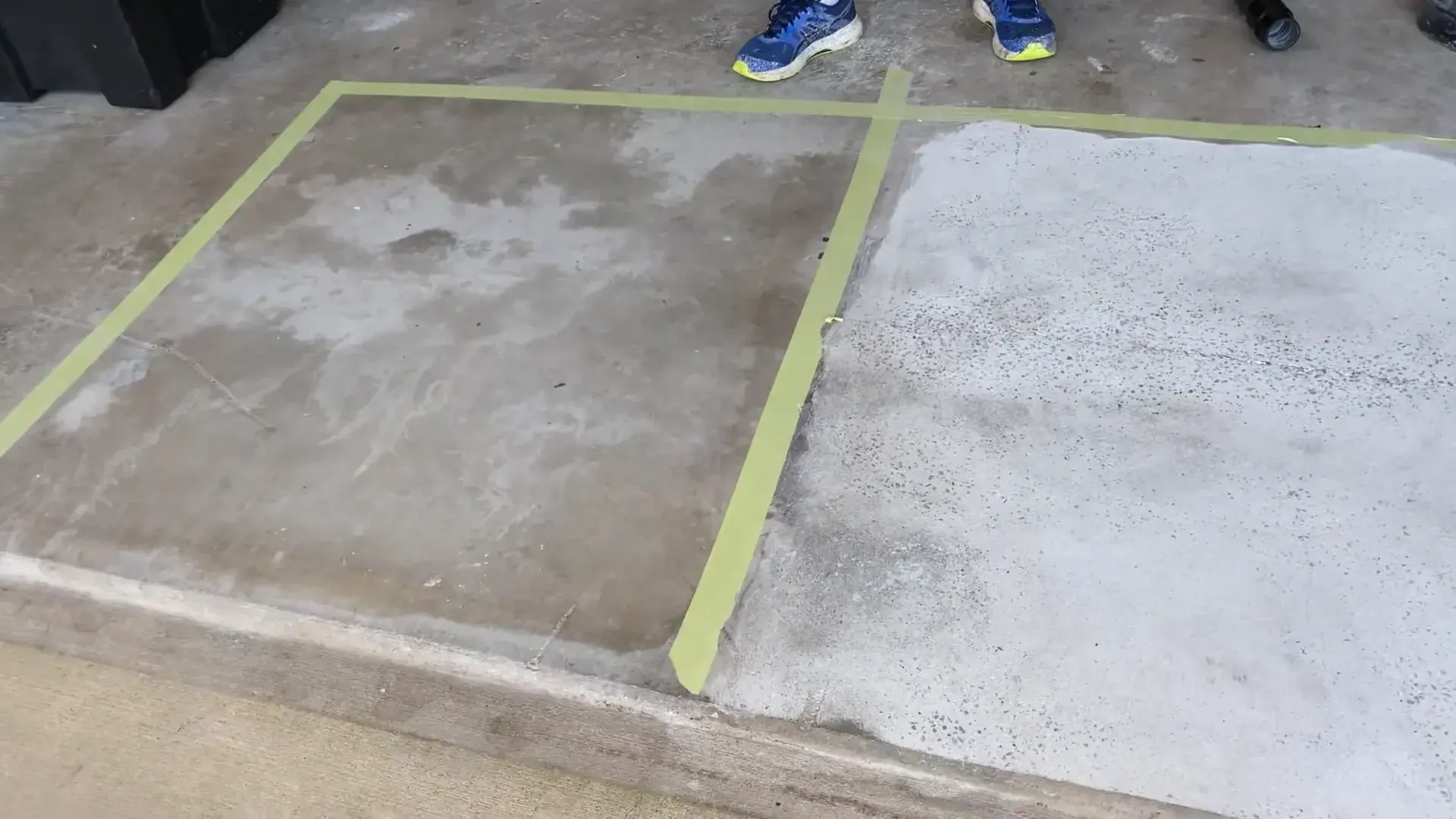
After comparing both methods side by side, it’s clear that grinding provides the best substrate for epoxy coatings due to the mechanical bond it creates. Acid washing, while an option, primarily relies on chemical bonding and comes with several caveats that can jeopardise adhesion if not done meticulously.
Here’s a quick summary of the pros and cons of each:
Acid Washing
- Pros: Cleans surface dirt and some contaminants; lower upfront equipment cost.
- Cons: Time-consuming rinsing and drying; risk of acid residue causing adhesion failure; doesn’t remove surface stains or marks; less reliable bond.
Grinding
- Pros: Removes surface contaminants and stains; exposes fresh concrete; creates a strong mechanical bond; has a faster turnaround time.
- Cons: Requires access to grinding equipment; some skill needed to operate the grinder safely and effectively.
For homeowners or DIYers, acid washing might seem like the simpler option, but be prepared to invest more time and care into rinsing and drying. If you want a quicker, more reliable result and don’t mind renting or borrowing a grinder, grinding is the way to go.
Additional Tips for a Successful Epoxy Floor
Regardless of the method you choose, keep these tips in mind to ensure your epoxy coating performs well:
- Fix Any Cracks or Damage: Before preparing the surface, repair any cracks or holes in the concrete to create a smooth and stable base.
- Clean Thoroughly: Remove dust, grease, and any loose debris from the floor before applying epoxy.
- Allow Adequate Drying Time: Make sure the floor is completely dry, especially after acid washing, to avoid trapping moisture beneath the epoxy.
- Follow Manufacturer Instructions: Use the recommended epoxy products and follow application guidelines closely for best results.
Understanding Mechanical and Chemical Bonds in Epoxy Flooring
To deepen your understanding, it’s important to clarify the roles of mechanical and chemical bonds in epoxy flooring systems. Mechanical bonds are created when the epoxy physically grips the texture of the prepared concrete surface, while chemical bonds occur when the epoxy chemically interacts with the substrate.
In multi-layer epoxy systems, these bonds work together to create an incredibly durable finish. The first epoxy layer mechanically bonds to the concrete, and subsequent layers chemically and mechanically bond to each other, reinforcing the entire system.
Grinding helps establish that critical mechanical bond by exposing fresh concrete, while acid washing mainly supports chemical bonding by cleaning the surface. Ideally, combining both methods or ensuring excellent surface preparation will give you the strongest, longest-lasting epoxy floor.
Final Thoughts: Which Method Should You Use?
If you’re aiming for the best possible epoxy floor, grinding the concrete surface is the superior preparation method. It offers a cleaner, more reliable surface that epoxy coatings love to adhere to, and you can complete the process and apply epoxy in the same day.
Acid washing can work, especially for light-duty or budget-conscious projects, but it requires patience and thorough rinsing to avoid future adhesion problems. It’s also less effective at removing stains and marks compared to grinding.
For the home handyman who’s comfortable with tools, I highly recommend renting or borrowing a concrete grinder from your local hardware or hire store and giving it a go. You’ll save time and get a more professional finish that will stand the test of time.
Remember, the key to a successful epoxy floor lies in proper surface preparation. Whether you choose acid washing or concrete grinding, understanding the benefits and limitations of each will help you make the best decision for your project.
For more detailed insights and tips on epoxy flooring, feel free to explore resources and guides available on our Epoxy Flooring Co Blog.